THE COLLECTION
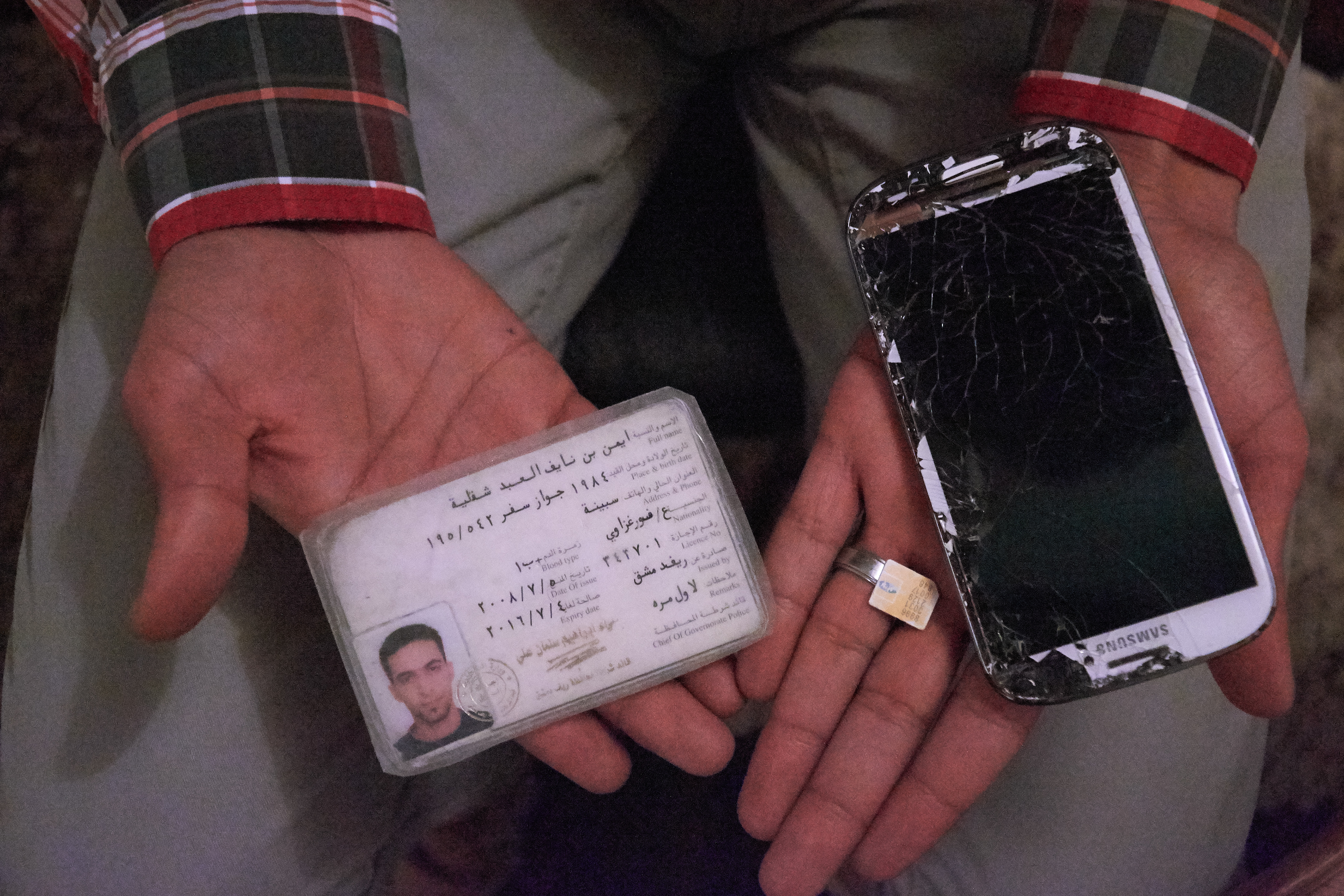
At the Immigration Museum, you will encounter stories and objects from migrants who, over the past 500 years, have helped shape our society and connect Denmark with the wider world. These testimonies come from our collection.
Parts of the collection can be seen in our permanent exhibition, ‘The Cultural Labyrinth’, or in our temporary exhibitions, while other parts are preserved in our museum storage facilities. The museum’s collection helps us understand our shared history of migration, share stories from the past and present, and preserve testimonies for future generations.
Memories and life stories are an important part of the collection. This includes archival material such as photographs, documents and interviews. The collection also consists of objects that help shed light on the periods in which they were used and on the material traces that migrants have left in Denmark over the past several centuries.
We continuously collect objects, stories, photographs and other historical material, with a particular focus on the past 50 years. If you would like to share your story or have an object that you believe belongs in the museum’s collection, you are welcome to contact one of the museum’s curators.
At Museernes Samlinger, you can search for information about objects held in the museum’s collection. Look under ‘Furesø Museer’.
COLLECTION POLICY AND STRATEGY
The Immigration Museum’s collection consists of objects and archival material documenting 500 years of migration history in Denmark. The museum’s primary focus is on the cultural history of immigration, with people and their personal stories at its centre.
The Immigration Museum follows an active and selective collection policy. Emphasis is placed on acquiring objects that are central to the museum’s area of responsibility and to the specific documentation and research projects undertaken by the museum. The aim is for the objects to broadly represent the museum’s areas of work and for new acquisitions to complement the existing collection. In general, the museum accepts objects that:
- Are considered to have particular significance to the history of migration.
- Were made or used by people with a migration background, i.e. immigrants, refugees and their descendants, or by people with a particular connection to the field of migration history.
- Originate from the local area. If objects from other local areas are accepted, this is done in consultation with the relevant museums.
- Relate to specific areas of research initiated by the museum.
Due to its area of responsibility, the Immigration Museum faces a particular cultural heritage challenge: migration history is generally an area with relatively few surviving objects. This is partly because:
- Most refugees and migrants have not had the opportunity to bring many belongings with them when arriving in a new country.
- The objects that refugees and migrants have been able to bring from their countries of origin often carry great personal meaning and sentimental value. As a result, these objects are typically not donated to the museum but remain personal possessions, either with the refugees or migrants themselves or with their descendants.
- It often takes many years before refugees and migrants have built up enough material heritage in their own homes to feel comfortable donating objects to a museum.
This cultural heritage challenge means that stories and objects relating to refugees, migrants and their descendants are generally underrepresented in Danish museums. The Immigration Museum therefore works actively with four focus areas in its collection strategy. These four focus areas are:
- Collecting intangible cultural heritage based on ‘dialogue’ between user groups and the museum’s professional staff: The museum primarily focuses on collecting intangible cultural heritage from refugees, migrants and their descendants, with particular emphasis on first-hand accounts, oral testimonies, personal stories and memories. This focus is continued through documentation projects. At the heart of these projects is ‘dialogue’, in which refugees, migrants and their descendants – both as individuals and as groups – help define which objects and stories are representative and relevant to the museum’s collection. Through dialogue, the collection of intangible cultural heritage becomes a co-creative process between the museum’s professional staff and the source communities with which the museum engages.
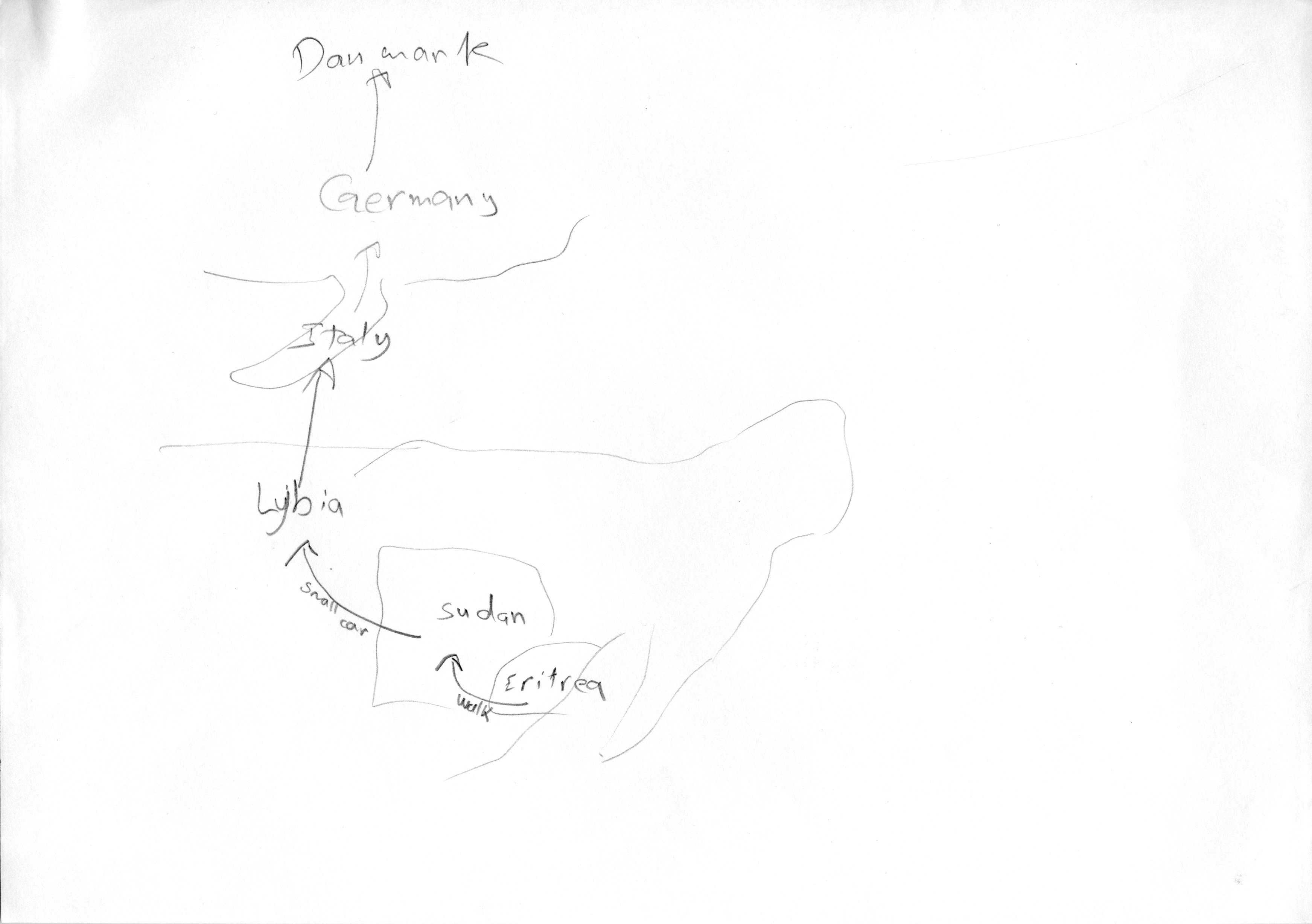
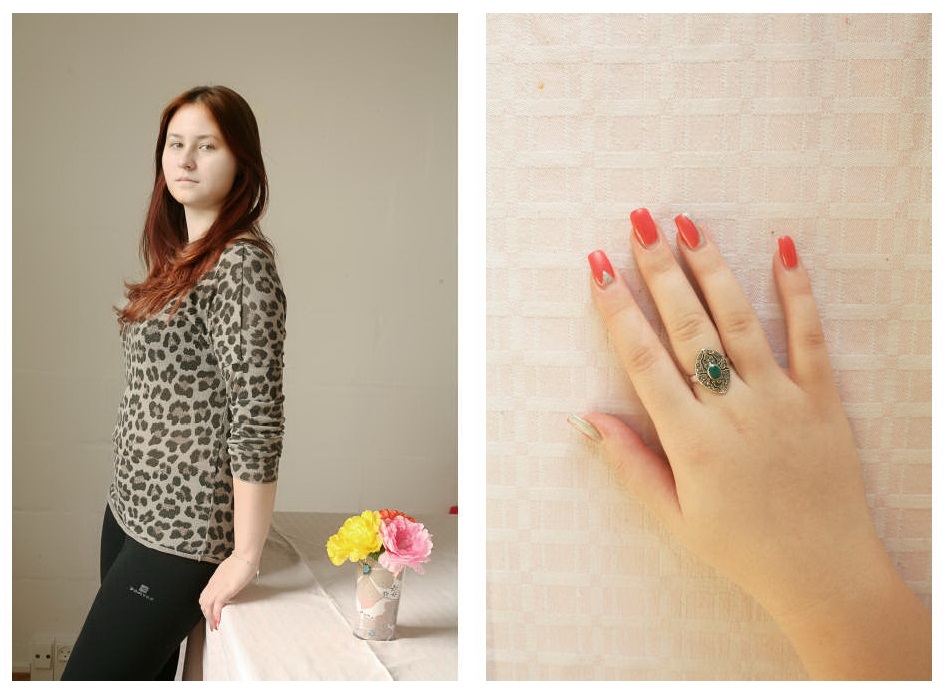
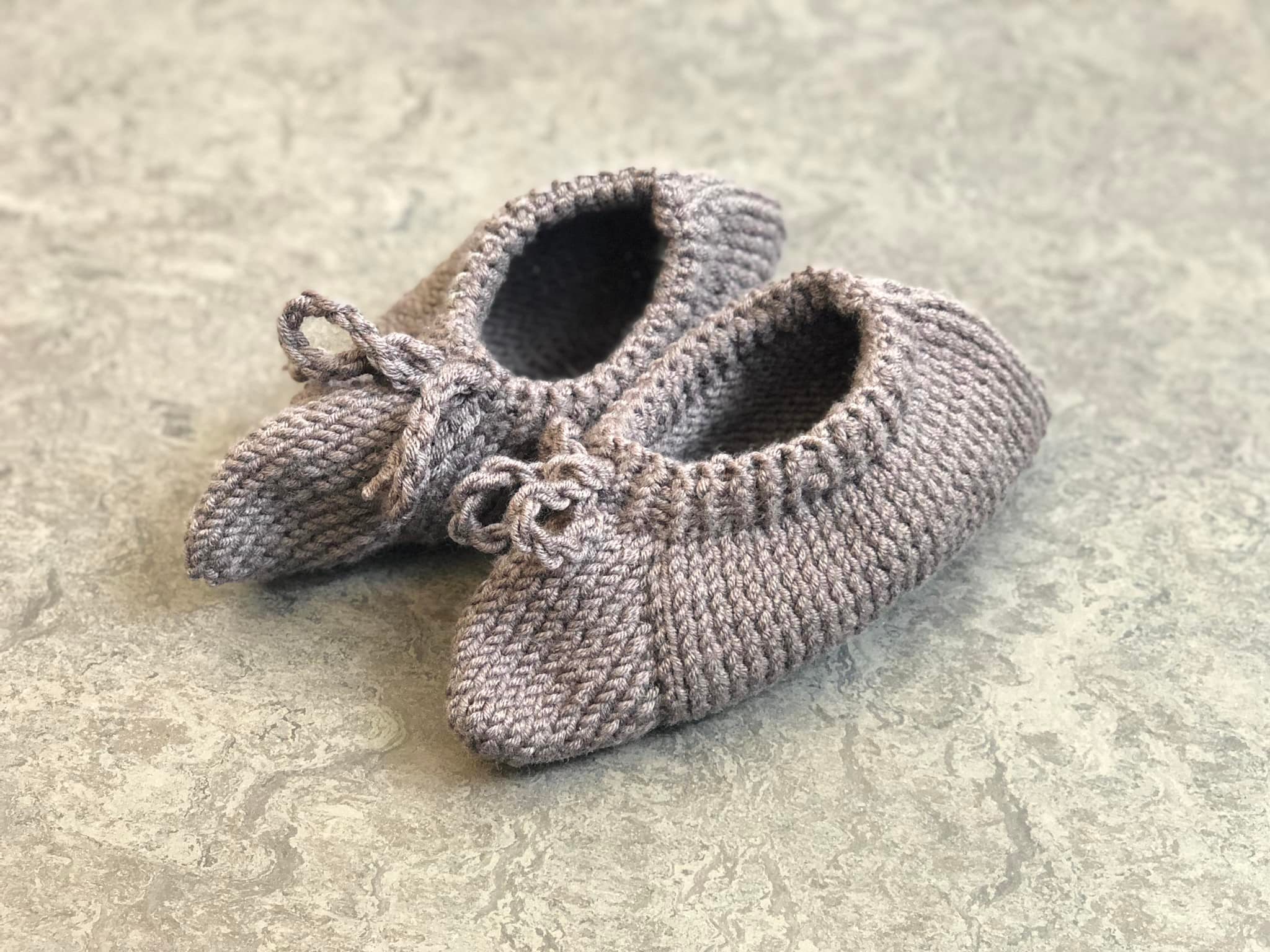
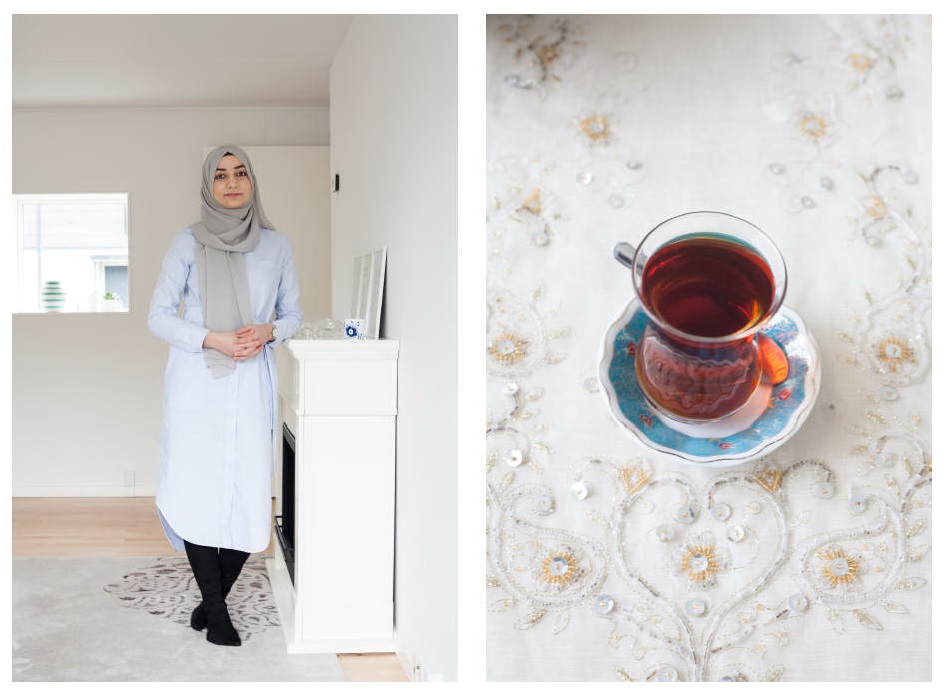
- Collecting material cultural heritage with a particular focus on co-creation as a museum practice: Wherever possible, the museum collects material cultural heritage (objects) relevant to its area of responsibility. In addition, the museum actively develops alternative collecting practices, including co-creation as a museum concept. This means that, in collaboration with relevant source communities, informants and other participants, the museum creates objects that materialise and visualise oral testimonies from refugees, migrants and their descendants. These objects supplement the collection of intangible cultural heritage. Examples of co-created material cultural heritage include ‘mental mapping’, ‘soundscapes’, ‘drawing workshops’, ‘craft workshops’, ‘participatory photography’ and more.
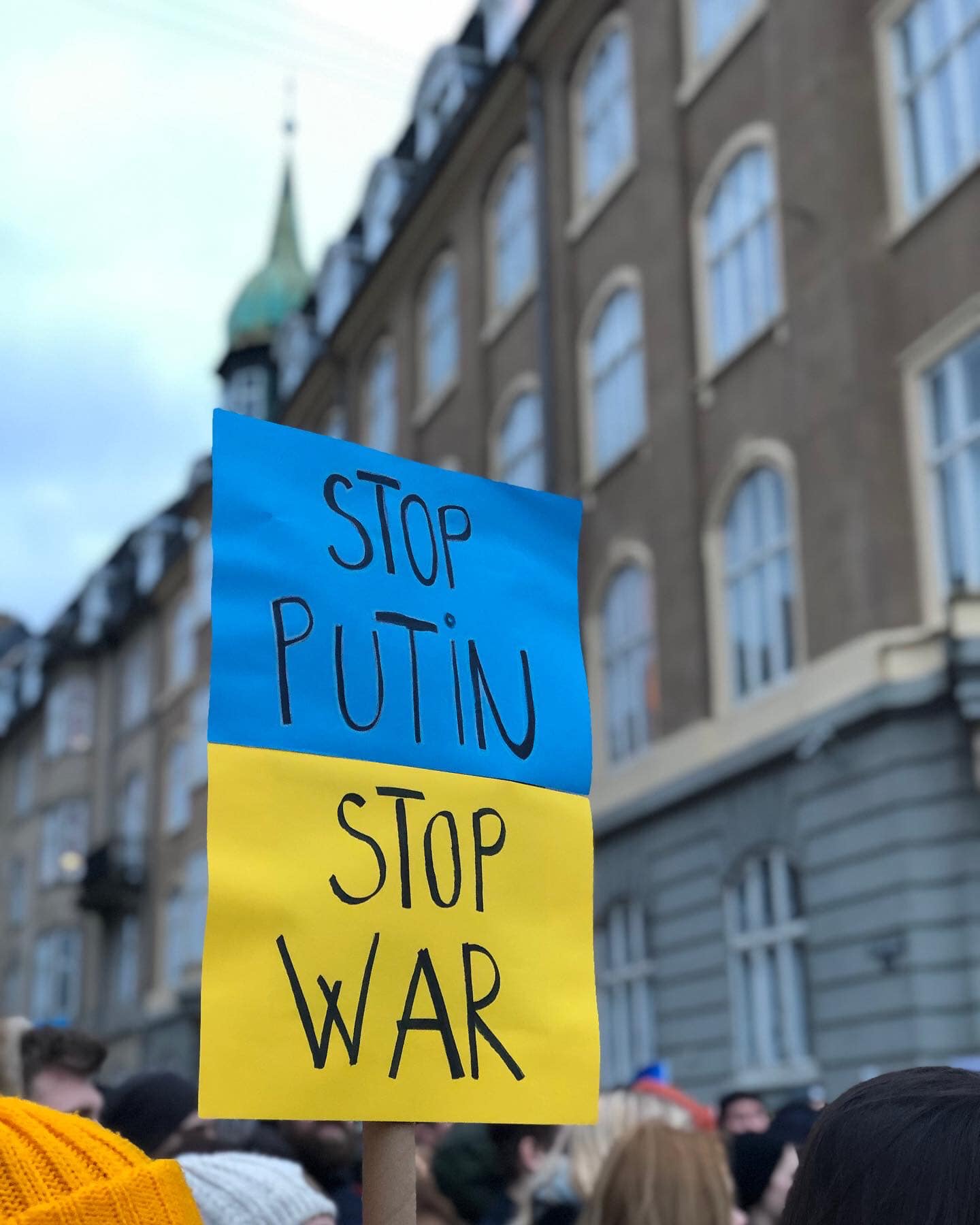
- Contemporary documentation and the inclusion of current developments in migration history in the museum’s work: A particular focus of the museum’s collecting practice is to take account of and incorporate contemporary developments in migration history into its work. The museum considers migration to be one of the most topical, socially relevant and widely debated issues of our time. It is therefore important that the museum actively contributes to documentation and communication relating to developments and continuities within the field of migration. Consequently, the museum’s collection policy allows its curators to respond actively and flexibly by initiating and participating in urgent collecting projects, both internally and in cooperation with other cultural and research institutions, when sudden events related to migration emerge and develop in contemporary society. Such collecting projects may focus on both intangible and material cultural heritage.
- Review of the existing collection: The museum continuously reviews its existing collection in order to remain aware of areas that are underrepresented. Poorly documented objects and objects without an accompanying history may be deaccessioned, while other objects are brought into the museum’s daily communication and educational activities in new ways.
DONATIONS
Do you have something that could complement the museum’s collections? If you have an object, a story, a photograph or other material that you think may be relevant to the Immigration Museum’s collection, you are always welcome to send an email to museerne@furesoe.dk. Museum staff will then contact you and let you know whether the Immigration Museum would like to accept your donation.
In your email, please describe:
- Who did the object belong to?
- How and when was the object acquired or made?
- Where, when and for what purpose was the object used?
- Please attach a photograph.
Please note: Objects, photographs or other donations are only accepted by prior agreement with the museum’s curators.